Back to the event page Register here View the agenda
Meet the speakers at the DTO-BioFlow UN Ocean Decade International Webinar, who will share insights on integrating marine biodiversity data into Digital Twins of the Ocean, explore how to turn scientific knowledge into practical impact, and highlight the role of cross-sector collaboration in advancing ocean knowledge and supporting informed decision-making.
- Nicolas Segebarth, European Commission, DG Research & Innovation
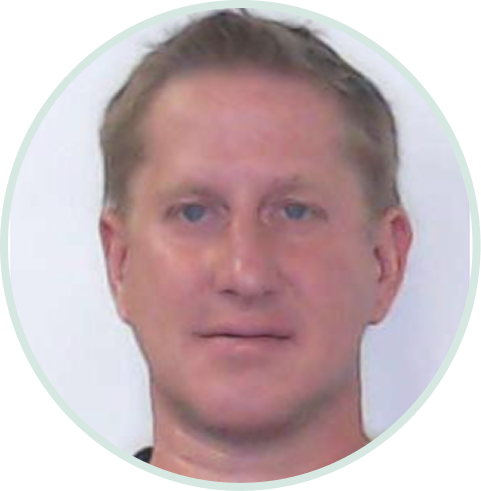
Role: Policy Officer – Team Leader, European Commission, DG Research & Innovation
Biography: Nicolas Segebarth is a Policy Officer and team leader at the European Commission. He joined the “Healthy Ocean and Seas Unit” of DG Research and Innovation in June 2019, to develop and implement research & innovation policy on ocean observation, FAIR data and ocean knowledge under the Horizon Europe, the European Research Framework Programme. He has been tasked to develop the new European Ocean Observation Initiative, OceanEye, announced in the Ocean Pact, and co-leads the EU Digital Twin Ocean initiative, a main component of the Digital Ocean and Water Knowledge System of the EU Mission “Restore our Ocean, Seas and Waters by 2030”. He is the European Commission’s Focal Point for the G7 working group Future of the Seas and Ocean Initiative and contributes to the development of the All-Atlantic Ocean Research & Innovation Alliance.
Nicolas Segebarth has a background in physical chemistry, with a PhD in Chemistry on the physical and chemical effects of acoustic cavitation, and post-docs in Nuclear Magnetic Resonance.
He joined the European Commission in 2006, working first at the Institute for Health and Consumer of the Joint Research Centre, on the development of spectroscopic and chemometric methods for various food and health applications. Before joining the Healthy Oceans and Seas unit, he worked for 10 years in the Industrial Technology Directorate of DG Research & Innovation, working on the environmental and health impacts of nanomaterials and, then on Sustainable Process Industries (SPIRE).
- Klaas Deneudt, Flanders Marine Institute (VLIZ)
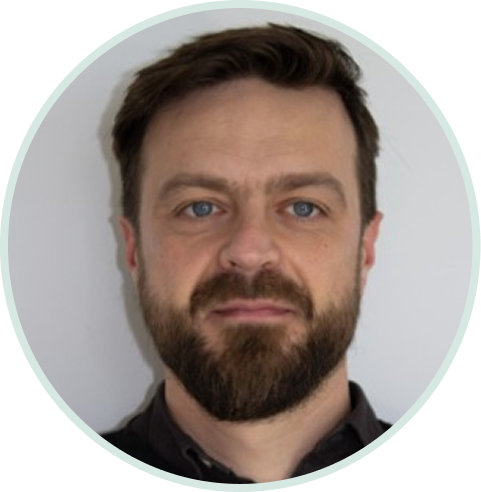
Role: Project coordinator DTO-BioFlow
Biography: Klaas Deneudt (KD) is head of the Marine Observation Center at VLIZ (www.vliz.be) and coordinator of the DTO-BioFlow project (www.dto-bioflow.eu), which focuses on integrating marine biodiversity monitoring data into the European Digital Twin Ocean. He is a marine biologist with over 25 years of experience in marine biodiversity observation and associated data management at the European level. Klaas co-chairs the European Marine Biodiversity Observation Network (MBON Europe) and serves on the EuroGOOS Biological Observing Working Group and the operational committee of the European Marine Omics Biodiversity Observation Network (EMO BON). He previously chaired the EMBRC e-Infrastructure Working Group and served on the Research Data Alliance’s Group of Data Experts (GEDE) and the IODE Working Group on Chemical and Biological Data.
- Adam Leadbetter, Decade Coordination Office for Ocean Data Sharing, Intergovernmental Oceanographic Commission of UNESCO; Seascape Belgium
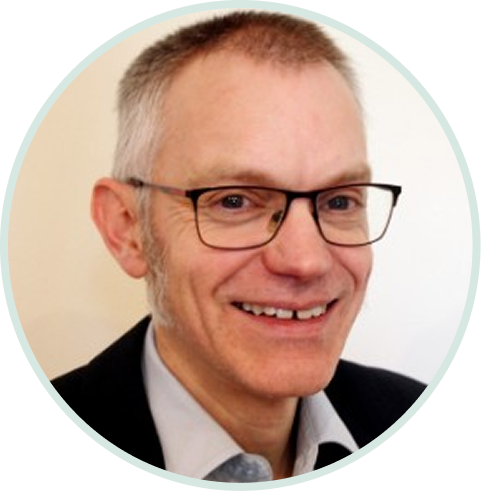 Role: Lead Manager, Decade Coordination Office for Ocean Data Sharing
Biography: Dr. Adam Leadbetter is lead manager of the Decade Coordination Office for Ocean Data Sharing, with responsibility for organising data and information management activities across the UN Ocean Decade. Adam has over 20 years of experience in environmental data management, relating to the ocean and to environmental sustainability issues. Adam was elected as a Fellow of the Institute of Marine Engineering, Science and Technology earlier in 2026.
- Justine Pagnier, Gothenburg University
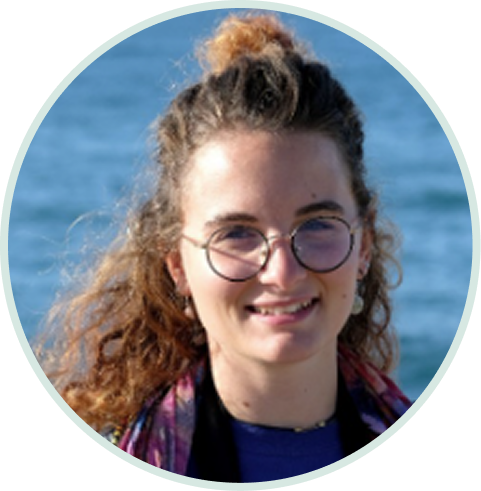
Role: PhD student at the Department of Marine Sciences, Gothenburg University
Biography: I am a PhD student at the University of Gothenburg, supervised by Matthias Obst and Tobias Andermann. I hold a bachelor's in biology from France, and a master's in conservation biology from Lund University (Sweden), with my thesis carried out at MARE Lisboa (Portugal). Before starting my PhD, I was a project assistant for ARMS-MBON (Autonomous Reef Monitoring Structures), focusing on data management and pipeline development. My research sits where molecular biodiversity monitoring meets predictive modelling: I combine eDNA metabarcoding data from ARMS-MBON with machine learning and Bayesian approaches to understand marine biodiversity patterns and forecast the spread of non-indigenous species, supporting conservation and biosecurity efforts.
- Marina Tonani, Mercator-Ocean International
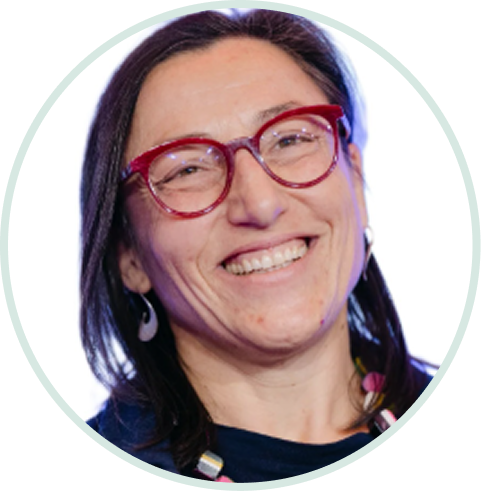
Role: DITTO co-chair, Mercator-Ocean International
Biography: Marina Tonani is a leading expert in ocean forecasting and digital ocean technologies. She serves as Co-Chair of the Digital Twins of The Ocean (DITTO) Decade Program and is the Project Manager of the European Digital Twin Ocean platform, EDITO. With extensive experience in operational oceanography, Marina is a key figure in the Copernicus Marine Service, where she holds the role of Technical Coordinator for the Monitoring and Forecasting Centres. Her expertise spans numerical ocean modeling, marine data assimilation, and digital ocean innovation, contributing to global efforts in ocean sustainability and climate monitoring.
- Matthias Obst, Gothenburg University
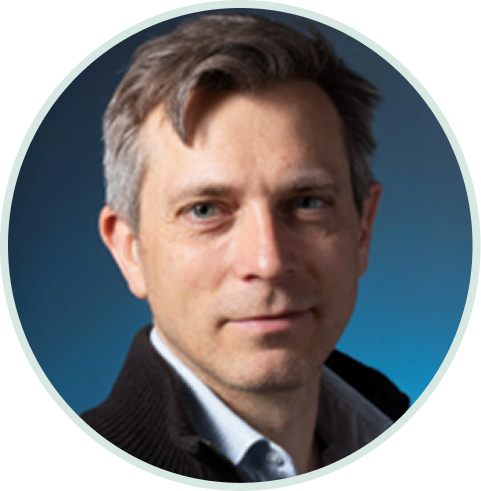 Role:
- Associate professor, Department of Marine Science, Gothenburg University
- WP4 lead in DTO Bioflow (https://dto-bioflow.eu/)
- Chair of the Swedish Biodiversity Data Infrastructure consortium (www.sbdi.se)
- Chair of the Swedish consortium for the European Marine Biological Resource Centre (www.EMBRC.se)Biography: Matthias Obst is a marine biodiversity researcher at the University of Gothenburg, Sweden. His research focuses on understanding, monitoring, and protecting marine biodiversity through innovative technologies and data-driven approaches. His expertise spans marine ecology and conservation biology, molecular taxonomy, metabarcoding, phylogenomics, environmental DNA (eDNA), and biodiversity informatics. Obst develops automated and harmonized systems for observing marine life, integrating genetic monitoring, citizen science, imaging, and digital research infrastructures. He has played leading roles in European and Nordic biodiversity initiatives and is a key contributor to the ARMS Marine Biodiversity Observation Network (ARMS-MBON), which uses standardized genetic monitoring to assess marine communities across Europe. His work connects marine science, technology, and biodiversity data to support ecosystem research and conservation.
- Neil Holdsworth, International Council for the Exploration of the Sea (ICES)
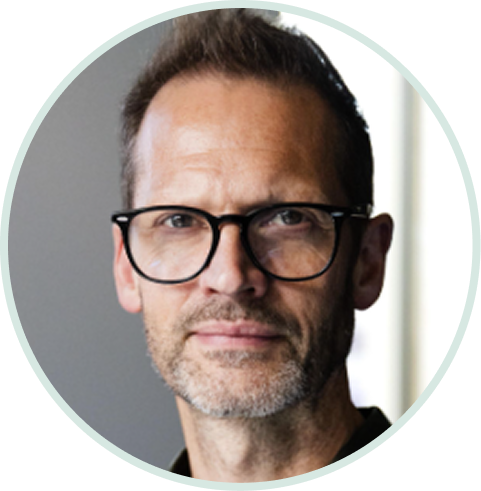 Role: Head of Data and Information, International Council for the Exploration of the Sea (ICES)
Biography: Neil Holdsworth is Head of Data and Information at the International Council for the Exploration of the Sea (ICES), where he leads the organisation's data governance, information management, and digital technology functions. With more than 25 years of experience in marine data management, software development, and organisational leadership, he oversees strategic data services supporting international scientific collaboration and evidence-based marine management. Neil has contributed to major European initiatives including EMODnet, SeaDataNet, Horizon Europe projects, and international marine data standards activities. As a work package lead in the DTO-BioFlow project, he supports the development of the European Digital Twin Ocean through enhanced biodiversity data integration, interoperability, and FAIR data practices.
- Rutendo Musimwa, Ghent University (UGent) & Flanders Marine Institute (VLIZ)
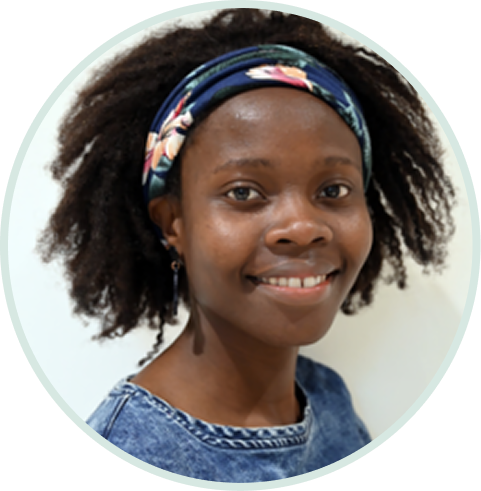 Role: PhD Researcher; DUC 4 Manager, DTO-BioFlow, Ghent University (UGent) & Flanders Marine Institute (VLIZ)
Biography: Rutendo Musimwa is a PhD researcher at Ghent University in collaboration with the Flanders Marine Institute (VLIZ), where she is developing an early warning system for jellyfish blooms in the North Sea. Her work combines species distribution modelling, fuzzy-logic habitat suitability models, point process models and mesocosm experiments, drawing on satellite, in situ and biodiversity data. Within the DTO-BioFlow project, she manages Demonstrator Use Case 4 on spatial planning for sustainable mariculture, integrating biodiversity information into Digital Twin of the Ocean tools. She led the development of an interactive species distribution dashboard deployed on the EDITO platform, helping translate biodiversity data into decision-ready insights for marine management.
- Willem Boone, VLIZ - Flanders Marine Institute
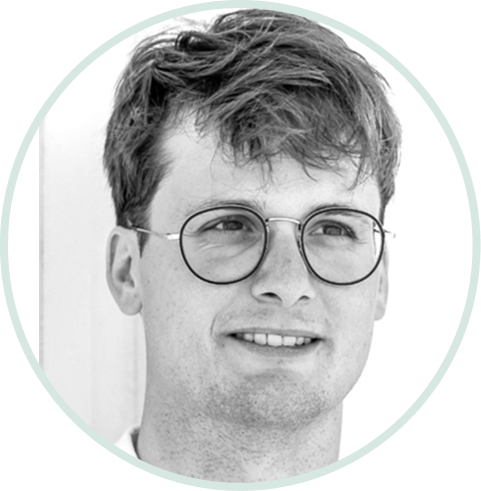
Role: Data Analyst & Application Developer
Biography: Willem Boone is a geospatial data specialist at the Flanders Marine Institute (VLIZ), working at the intersection of science, data and digital applications. With a background in GIS and spatial modelling, he focuses on transforming complex marine observation data into usable information, analytical tools and applications.
Within the Horizon Europe DTO-BioFlow project, he supports the flow of biodiversity data and tools into the European Digital Twin Ocean. His work includes data exploration and validation, integration of new data and scientific application development. He develops analytical tools and data pipelines and supports the onboarding of applications. To support this work, he works closely with data managers, IT teams and scientific users to align their needs and ensure effective integration.
He contributes to Demonstrator Use Case 3, which combines plankton imagery, genetic data and traditional observations to improve assessments of pelagic biodiversity and human impacts.